Dienstag, 17. Februar 2026


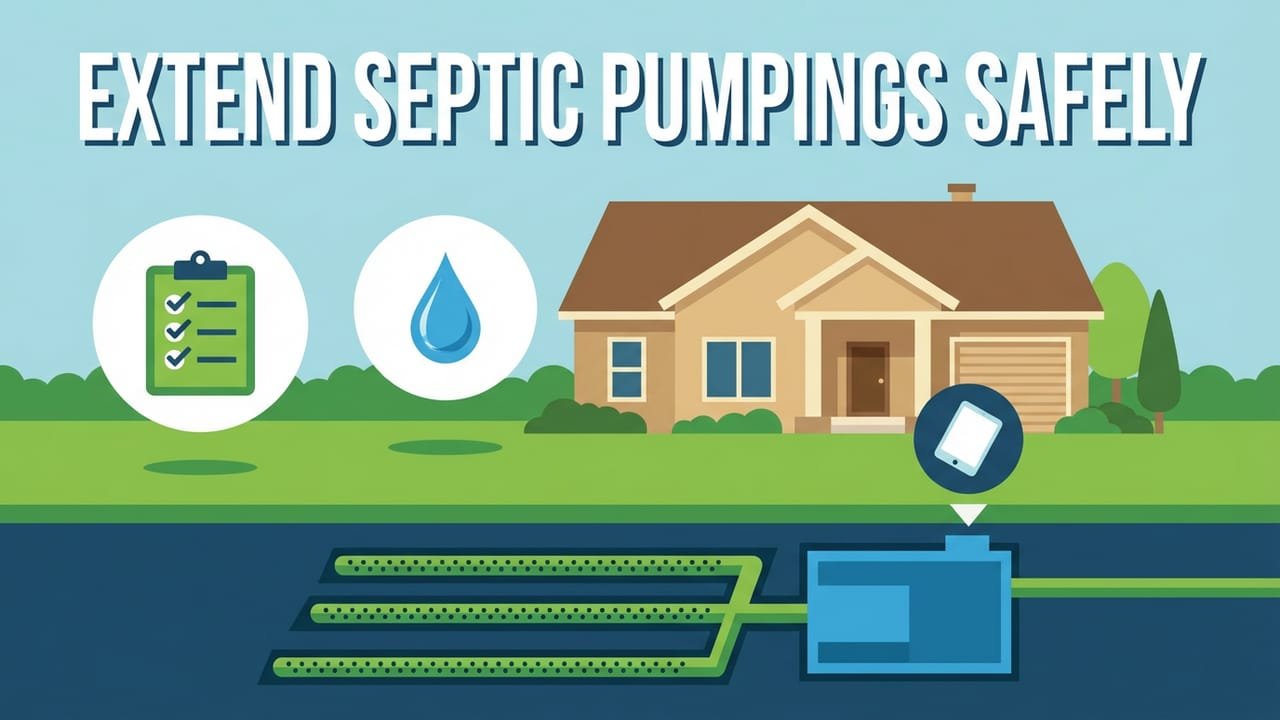
How to Extend the Time Between Septic Tank Pumpings (Without Damaging Your System)
Many homeowners hate paying for septic tank pumping and wonder if there’s a safe way to stretch the time between visits. The answer is yes – as long as you understand how your system works and follow a few smart habits. In this guide, you’ll learn what really determines pumping frequency, how to reduce sludge buildup, and how biological tablets like Septifix can help keep your system cleaner between pumpings.

How Often Do Most Septic Tanks Need Pumping?

Most septic systems need to be pumped roughly every 3–5 years, depending on tank size, household size, and water usage. The real trigger for pumping isn’t a date on the calendar – it’s how much sludge and scum has built up inside your tank.

As sludge (heavy solids) accumulates at the bottom and scum (fats and grease) float at the top, these layers slowly creep toward the outlet. When they get too close, solids can escape into the drain field, clogging the soil and causing extremely expensive damage. The goal is to slow down this buildup so you can safely wait longer before pumping.

What Makes You Need More Frequent Pumping?

If you want to extend the time between pumpings, you first need to know what speeds up sludge and scum accumulation.

- Heavy water useLong showers, many laundry loads on one day, and leaking fixtures push more water – and solids – through the system, leaving less time for proper settling.

- Extra solids and “wrong” itemsWipes, paper towels, feminine products, and food scraps build up quickly because they don’t break down like normal toilet paper and waste.

- Grease and oilFats and oils float to the top, creating a thick scum layer that reaches the outlet faster if you pour grease down the drain.

- Harsh chemicalsStrong cleaners, solvents, and large amounts of bleach can kill the beneficial bacteria that normally digest waste, so sludge builds up faster.

The less of these contaminants end up in your system, the longer you can wait between pumpings without compromising the system.

Step 1: Reduce Water Load on Your Septic System

The easiest way to protect your tank and drain field is to reduce how much water you send into them each day.

Practical water‑saving tips:

- Fix leaking toilets and faucets as soon as you notice them.

- Install low‑flow showerheads and toilets if possible.

- Spread laundry loads throughout the week instead of doing many on one day.

- Avoid running the dishwasher, washing machine, and long showers at the same time.

By lowering water volume, you give solids more time to settle and bacteria more time to work, which slows sludge buildup and helps you go longer between pumpings.

Step 2: Control What You Flush and Pour

Extending pumping intervals is not just about water – it’s also about what you put into the system.

Only flush:

- Human waste

- Septic‑safe toilet paper

Never flush:

- Baby wipes or “flushable” wipes

- Paper towels or facial tissues

- Feminine hygiene products

- Diapers, cotton balls, or swabs

- Dental floss and similar stringy materials

In the kitchen and drains:

- Scrape food scraps into the trash, not the sink.

- Collect cooking grease and oil in a container and throw it away.

- Avoid pouring paints, solvents, strong drain cleaners, or large amounts of bleach down any drain.

By keeping non‑biodegradable items, excess food, grease, and harsh chemicals out of your septic system, you dramatically slow down how quickly sludge and scum accumulate.

Step 3: Use Biological Treatments to Reduce Sludge Buildup

Even when you’re careful, some sludge and scum will always form. This is where biological treatments can help you safely extend the time between pumpings.

How biological treatments work

Good treatments add beneficial bacteria and sometimes oxygen‑releasing compounds to your tank. These help:

- Break down organic solids more completely.

- Digest fats, oils, and paper that would otherwise sit and build up.

- Reduce odor‑causing compounds, which are often a sign of system stress.

Over time, this means less sludge and scum, which can allow you to go longer between pump‑outs – as long as you still schedule regular inspections.

Why Septifix is a strong option

Septifix is a tablet‑based treatment designed to make this biological support as easy as possible for homeowners. You simply flush the tablets according to the instructions, and they dissolve inside your septic tank. The formulation is designed to:

- Release oxygen into the wastewaterMany septic tanks operate in low‑oxygen conditions, which favor smelly, slow‑working bacteria. Septifix releases oxygen, creating a much more favorable environment for beneficial, faster‑working bacteria.

- Boost beneficial bacteria that break down solidsWith better conditions and added support, bacteria can more effectively digest organic waste, sludge, and paper. This helps keep the sludge layer from growing as quickly.

- Help control odorsSeptifix helps neutralize odor‑causing gases like hydrogen sulfide. If you notice fewer smells, it’s often a sign that waste is being broken down more efficiently instead of just sitting in the tank.

By using Septifix regularly, you’re actively supporting the biology that makes longer pumping intervals possible.

Step 4: Build a Safe “Extended Pumping” Routine

To safely extend the time between pumpings, you need more than just tablets – you need a complete routine.

A practical routine might look like this:

- Daily / weekly

- Use water efficiently and fix leaks quickly.

- Follow the “toilet rule”: only waste and toilet paper.

- Keep grease, food scraps, and harsh chemicals out of your drains.

- Every month

- Walk over the tank and drain field area; look for wet spots, smells, or unusually green grass.

- Pay attention to new slow drains or gurgling sounds in your plumbing.

- Regularly (as per product instructions)

- Flush Septifix tablets according to your tank size and household size.

- Stick to the recommended schedule—more isn’t necessary; consistent usage is key.

- Every few years

- Have your tank inspected by a professional who measures sludge and scum levels.

- Use these measurements (not guesswork) to decide when pumping is actually needed.

If inspections show that sludge is building up more slowly than expected, your good habits and regular Septifix use are working – and you can confidently extend the time between pumpings without gambling with your drain field.

Step 5: Know When NOT to Delay Pumping

There’s a difference between safely extending the time between pumpings and gambling with your entire system. At some point, waiting longer stops saving you money and starts putting your drain field at serious risk. Here’s when you should stop thinking about “stretching it” and just pump.

1. Your inspection says it’s time

If a septic professional has measured your sludge and scum and tells you the levels are high, that’s your stop sign. When those layers get too close to the outlet:

- Solids can wash into the drain field.

- Pipes and soil can clog.

- You move from a few hundred dollars for pumping to thousands for repair or replacement.

If the report says “pump soon” or “pump now,” do not delay to squeeze out a few more months. That’s the most expensive mistake you can make.

2. You see clear warning signs at home

Even without a recent inspection, certain symptoms mean “no more waiting.” Pumping should be scheduled immediately if you notice:

- Multiple slow drains in the house that don’t respond to simple unclogging.

- Gurgling toilets or drains when you run water or flush.

- Sewage backing up into tubs, showers, sinks, or around floor drains.

- Persistent sewage odors inside or outside, especially near the tank or drain field.

- Wet, soggy, or unusually green patches over the tank or drain field, especially in dry weather.

These are not “monitor and see” situations. They’re signs that your system is under serious stress and solids could already be reaching the drain field.

3. You’ve hit (or passed) your normal pumping window

Even with perfect habits and Septifix tablets helping reduce sludge buildup, time still matters. If:

- It’s been more than 5 years since the last pumping for a typical family home, or

- You bought a house and don’t know when it was last pumped,

then the safe move is to pump and reset the clock. Waiting longer just to “see if you can get away with it” is how small maintenance jobs turn into full system failures.

4. Septifix is for support, not for skipping pumping

Septifix can:

- Help reduce sludge and scum buildup.

- Support healthy bacteria and better breakdown of waste.

- Cut odors that often signal system stress.

But it cannot make a full tank empty or fix a failed drain field. If you’re already seeing warning signs or have a professional telling you the tank is full, using more tablets instead of pumping is the wrong move. Think of Septifix as a way to keep your system cleaner between pumpings, not a way to avoid pumping forever.

5. When in doubt, choose pumping over risk

If you’re on the fence—maybe there are mild smells, occasional gurgles, or you’re slightly past your recommended interval—the safest and cheapest long‑term choice is to pump.

A single pumping visit is a predictable, manageable cost. Ignoring red flags can lead to:

- A ruined drain field

- Yard excavation

- Possible tank replacement

All of that costs many times more than doing the right thing a little earlier.

Use smart habits and Septifix to extend your intervals safely, but the moment inspections or warning signs suggest trouble, stop stretching it and schedule that pump‑out. https://myseptictank.com/extend-time-between-septic-tank-pumpings/


Mittwoch, 11. Februar 2026


Common Septic Tank Mistakes That Cost You Thousands
A healthy septic system quietly does its job for years in the background. But a few common homeowner mistakes can turn that quiet system into a disaster that costs thousands of dollars in repairs, backups, and even full system replacement. The good news: most of these mistakes are easy to avoid once you know what to look for.

In this guide, you’ll learn the most expensive septic tank mistakes, how to avoid them, and how a simple treatment like Septifix can help protect your system between pumpings.

Mistake #1: Flushing the Wrong Things

One of the fastest ways to destroy a septic system is to treat your toilet like a trash can. Even items labeled “flushable” can cause serious damage over time.

Why this mistake is so expensive

Non‑biodegradable items and excess solids:

- Don’t break down properly inside the tank.

- Clog inlet and outlet baffles.

- Force solids into the drain field, where they clog pipes and soil.

Once a drain field is badly clogged, you’re often looking at thousands of dollars for repair or replacement.

What you should never flush

Make it a strict rule: the toilet is only for human waste and toilet paper. Never flush:

- “Flushable” or baby wipes

- Paper towels or napkins

- Feminine hygiene products

- Diapers

- Dental floss, cotton swabs, or makeup pads

- Condoms or any plastic items

Putting a small trash can next to every toilet and explaining the rules to family and guests can literally save your system.

Mistake #2: Neglecting Regular Pumping and Inspections

Your septic tank slowly fills with sludge and scum. If you never pump or inspect it, you’re gambling with your drain field.

What happens when you wait too long

Over time:

- Sludge builds up at the bottom.

- Scum thickens at the top.

- These layers creep closer to the outlet of the tank.

If they reach the outlet before you pump, solids start flowing into the drain field. That’s when you see:

- Slow drains and gurgling toilets

- Sewage backing up into the house

- Wet, smelly spots in the yard

Repairing or replacing a damaged drain field can cost many times more than decades of regular pumping.

A simple schedule that avoids big bills

For most households:

- Have the system inspected every 1–3 years.

- Plan to pump the tank every 3–5 years, adjusted for tank size, household size, and usage.

Keeping a record of each pumping and inspection helps you stay ahead of problems and avoid surprise failures.

Mistake #3: Overloading the System With Water

Septic systems are designed to handle a certain amount of wastewater each day. Constantly pushing more water through than it can handle is a silent system killer.

How too much water costs you money

When you overload the system with water:

- Solids don’t have time to settle properly in the tank.

- Sludge gets stirred up and pushed toward the drain field.

- The drain field becomes saturated and can no longer absorb effluent.

The result: soggy, smelly yards, frequent backups, and expensive repairs.

Easy ways to reduce water load

You can protect your system and lower your utility bills by:

- Fixing leaking toilets and faucets immediately.

- Installing low‑flow showerheads and toilets.

- Spreading laundry loads out over the week instead of doing many on one day.

- Avoiding long, back‑to‑back showers when the system is already under heavy use.

Think of every gallon you save as extra time and breathing room for your septic system.

Mistake #4: Pouring Grease, Oil, and Harsh Chemicals Down the Drain

Many homeowners assume “it’s just liquid, it’ll be fine.” In a septic system, that assumption can be very expensive.

The hidden damage from grease and chemicals

- Grease and oil cool and solidify in pipes, causing clogs and restricting flow.

- In the tank, fats and oils float to the top and add to the scum layer, which can reach the outlet faster.

- Harsh chemicals (bleach, strong cleaners, drain openers, solvents) kill the beneficial bacteria that break down waste.

With fewer bacteria and more hardened grease, solids build up faster and the system becomes prone to odor, clogs, and failure.

Better habits that protect your tank

Instead of pouring things down the drain:

- Collect cooking grease and oil in a container and throw it in the trash.

- Wipe greasy pans with a paper towel before washing.

- Use septic‑safe, biodegradable cleaners whenever possible.

- Reserve strong chemicals and disinfectants for rare, necessary situations and use them sparingly.

Protecting your bacteria population is one of the cheapest ways to extend your system’s life.

Mistake #5: Building, Parking, or Planting on Top of the System

Out of sight often means out of mind — until a driveway, patio, or tree roots destroy your septic components.

How this mistake turns into a big bill

- Parking cars, trucks, RVs, or heavy equipment over the tank or drain field compresses the soil and can crack pipes and tank lids.

- Building decks, sheds, or patios over the system makes it difficult or impossible to access for pumping and repair.

- Tree and shrub roots invade pipes and tanks, causing leaks, blockages, and structural damage.

Repairing crushed pipes or a cracked tank, or relocating a drain field, can quickly move into the multi‑thousand‑dollar range.

Simple rules to avoid it

- Never park vehicles on or near the tank and drain field.

- Don’t build permanent structures over any part of the septic system.

- Keep deep‑rooted trees well away from the system; if in doubt, ask a professional where your components are located before landscaping.

Keeping the area light, open, and easy to access is a long‑term investment in your system’s health.

Mistake #6: Ignoring Early Warning Signs

Small symptoms often appear long before a septic system completely fails. Ignoring them is a very costly mistake.

Warning signs you should never ignore

Call a professional if you notice:

- Multiple slow drains in the house.

- Gurgling sounds in toilets or drains when water is running.

- Sewage smells inside or outside the home.

- Standing water, soggy patches, or unusually green grass over the drain field.

Catching problems early often means a simple pumping or minor repair instead of a total system failure.

Mistake #7: Relying on “Miracle Fixes” Instead of Proper Maintenance

There are many products that promise to “fix” your septic system without pumping or professional help. The truth: no product replaces pumping and inspections.

However, the right type of treatment can support your system and help prevent some of the conditions that lead to expensive problems.

How Septifix Helps You Avoid These Costly Mistakes

While you still need to follow basic rules (pumping, inspections, careful flushing, and water use), a well‑designed biological treatment can give your system extra protection. This is where Septifix comes in.

What is Septifix?

Septifix is a tablet‑based septic tank treatment designed for homeowners who want an easy way to support their system between professional pumpings. You simply flush the tablets according to the instructions and they dissolve inside the tank.

The formulation is designed to:

- Release oxygen into the wastewater, creating a more favorable environment for beneficial bacteria.

- Support the breakdown of organic waste, paper, fats, and grease, helping to reduce sludge and scum buildup.

- Neutralize odor‑causing compounds, helping combat the smells that often come from overloaded or poorly maintained systems.

How Septifix helps prevent expensive mistakes

Used regularly as part of a smart maintenance routine, Septifix can help you:

- Recover after minor mistakesIf your household sometimes overuses water or occasionally sends more grease or solids into the tank than ideal, a strong bacterial and oxygen boost helps your system catch up and break waste down more efficiently.

- Protect your drain fieldBy helping reduce sludge and scum accumulation, Septifix lowers the risk that solids will reach and clog the drain field — one of the most expensive septic failures a homeowner can face.

- Control odors before they signal serious damageBad smells are often a warning sign of system stress. Regular Septifix use helps reduce odor‑causing gases, so you’re less likely to live with constant smells or miss early clues that something is wrong.

How to use Septifix in a practical routine

A simple way to integrate Septifix into your maintenance plan:

- Continue to pump every 3–5 years as advised for your system.

- Maintain good habits: only flush waste and toilet paper, avoid grease and harsh chemicals, and use water efficiently.

- Use Septifix tablets on a regular schedule (for example, monthly or as recommended for your tank size) to keep bacteria levels high and support ongoing waste breakdown.

Think of Septifix as an affordable insurance layer: it doesn’t replace professional care, but it helps your system stay cleaner, less smelly, and more resilient between service visits.

Turn Thousands in Costs Into a Simple Routine

Most septic tank disasters don’t happen overnight. They build up slowly through small, repeated mistakes: the wrong things down the toilet, skipped pumpings, heavy water use, and harsh chemicals.

By:

- Avoiding the common mistakes in this article,

- Sticking to a simple inspection and pumping schedule, and

- Supporting your system with a targeted treatment like Septifix,

you dramatically reduce the risk of a failure that can cost you thousands — and keep your septic system quietly doing its job for many years. https://myseptictank.com/?p=662

Donnerstag, 5. Februar 2026

Enzymatic Septic Bacteria for Grease Traps: The Professional Odor Guide

Enzymatic Septic Bacteria for Grease Traps: The Professional Odor Guide

The scent isn't just a nuisance; it’s an alarm. It’s that thick, heavy, sulfurous weight that hangs in the back of your throat, signaling that something deep within your plumbing has reached a breaking point. For anyone managing a commercial kitchen or a busy household, that "grease trap smell" is a visceral reminder of a biological system in total collapse.


When your system hits this wall, reaching for a phone to schedule a pump-out feels like the only move. But here’s the reality: pumping is a bandage, not a cure. To truly silence the stench, you have to stop thinking about mechanical removal and start thinking about molecular reclamation.


The Chemistry of a "Sour" System


A grease trap is supposed to be a quiet, invisible gatekeeper. Its job is simple: slow the water down, let the Fats, Oils, and Grease (FOG) float to the top, and let the solids sink. But when that water sits, it becomes a stagnant, oxygen-starved tomb.


This is where the trouble starts. In the absence of oxygen, anaerobic bacteria take over. These are the scavengers of the microbial world, and their waste product is Hydrogen Sulfide. That’s the "rotten egg" gas that doesn't just ruin a dining room’s atmosphere—it actually eats away at your pipes. When a thick, leathery "FOG cap" forms at the top of your tank, it seals those gases in, forcing them back up through your drains and into your life. Using enzymatic septic bacteria isn't just about cleaning; it’s about breaking that seal and breathing life back into the waste stream.


Why Enzymes are the "Skeleton Key" to Your Drains


We often use the terms "bacteria" and "enzymes" interchangeably, but they are partners in a very specific dance. Think of enzymes as the biological tools and bacteria as the workers using them.


Enzymes are non-living proteins. They don’t "eat" anything, but they are incredibly good at dismantling complex structures. Imagine a long, tangled chain of grease. An enzyme acts like a pair of molecular scissors, snipping that chain into tiny, digestible pieces. Once those pieces are small enough, the live bacteria move in to finish the job, converting what was once a foul sludge into nothing more than water and carbon dioxide.


To win this fight, you need a high-density "cocktail" of specialists:


- Lipases: These are the heavy hitters that specifically target and liquefy fats.
- Proteases: They go to work on the protein-based food scraps that get trapped in the grease.
- Amylases: These break down the starches that act like the "glue" holding the whole mess together.

The Strategy: Moving Beyond the "Pump and Pray" Method


If you only pump your tank, you’re leaving behind a thin, rancid film of "seed" bacteria on the walls. The second you run the water again, that old biofilm begins to colonize the new waste. It’s why the smell often returns just weeks after a professional cleaning.


By introducing a consistent dose of enzymatic bacteria, you’re essentially hiring a 24/7 maintenance crew. These microbes don't just sit there; they aggressively compete for food, starving out the odor-producing anaerobic colonies. Over time, this biological shield can reduce your need for professional pumping by as much as 50%. It turns a frantic, emergency expense into a predictable, low-cost maintenance routine.


The "Shock and Sustain" Protocol


If your system is currently screaming for help, you can’t start with a maintenance dose. You need to shock it. This means hitting the interceptor with a high-concentration liquid enzymatic treatment. This "biological reset" punctures the FOG cap and begins the liquefaction process immediately.


Once the air clears, you move to the sustain phase. A small, weekly application—often just a few ounces—keeps the population of "good" microbes high enough to prevent that grease cap from ever reforming. It’s about maintaining an equilibrium where waste is processed as fast as it’s produced.


What’s Actually Going Through Your Head Right Now?


"Can’t I just pour some bleach down there and call it a day?"


It’s a tempting thought, but it’s the worst thing you can do. Bleach is a scorched-earth chemical. It kills everything—including the beneficial bacteria your system desperately needs to function. You’ll kill the smell for an hour, but you’ll paralyze your grease trap for a month.


"How fast does this actually work?"


Biology takes a little longer than a blowtorch, but it’s more thorough. You’ll usually notice a significant drop in odor within 24 to 72 hours. The physical liquefaction of the grease takes a bit longer, but the gas production stops almost as soon as the enzymes hit the water.


"Will this mess up my pipes?"


Actually, it’s the opposite. Chemical degreasers are often caustic; they generate heat and can warp PVC or corrode copper over time. Enzymatic solutions are pH-neutral and completely "lazy" when it comes to metal or plastic—they only have an appetite for organic waste.


Products / Tools / Resources
- Industrial-Strength Liquid Lipase Concentrates: Best for the "Shock Phase" in high-volume commercial kitchens.
- Slow-Release Bacterial Blocks: These are "set it and forget it" tools that you hang in the interceptor to provide a constant drip-feed of new microbes.
- Water-Soluble Bacteria Packets: Ideal for residential septic systems or small under-sink grease traps; just flush and go.
- Bio-Active Floor Cleaners: A "secret weapon" for restaurants—these cleaners contain the same grease-eating bacteria, meaning every time you mop, you’re actually dosing your drains.
- The EPA’s Guide to FOG Management: An essential deep-dive for business owners looking to stay ahead of local compliance and health codes. https://myseptictank.com/enzymatic-septic-bacteria-for-grease-traps-the-professional-odor-guide/

Sonntag, 1. Februar 2026

How Often Should You Pump Your Septic Tank (Complete Guide)?

How Often Should You Pump Your Septic Tank (Complete Guide)?

Many homeowners know they should pump their septic tank, but they have no idea how often or what really affects the schedule. In this guide, you’ll learn how a septic tank works, how often most systems need pumping, what can shorten or extend that interval, and what you can do to avoid expensive failures.


How a Septic Tank Works (In Simple Terms)


When wastewater from your home flows into the septic tank, it naturally separates into three layers:


- Solids sink to the bottom and form sludge.
- Fats, oils, and grease float to the top as scum.
- In the middle is the relatively clear effluent, which flows out to the drain field.

Bacteria in the tank break down part of the solids, but not all of them. Over time, sludge and scum build up. If these layers get too thick, they can overflow into the drain field, clogging it and causing backups or system failure. Pumping the tank removes this buildup before it gets to that point.


General Pumping Guidelines


There is no single schedule that works for every home, but there are some common rules of thumb:


- Many households need their septic tank pumped every 3 to 5 years.
- Very small households with a large tank may go longer.
- Larger families with a small tank may need pumping more often.

These numbers are only guidelines. The real answer depends on your tank size, how much water you use, how many people live in the home, and what you put down the drains.


What Affects How Often You Need Pumping?


Several key factors determine how quickly sludge and scum build up in your tank.


How Often Should You Pump Your Septic Tank

1. Tank size vs. number of people


A large tank serving two people fills much more slowly than a small tank serving a family of five. As a rough idea:


- Small tank + many people = shorter pumping interval.
- Large tank + few people = longer pumping interval.

If you recently moved into a home, try to find out the tank size and ask the previous owner when it was last pumped. This gives you a starting point.


2. Daily water use


The more water you send into the system, the faster it pushes solids toward the outlet and into the drain field. Heavy water use can shorten the time between pumpings. Things that increase water load include:


- Long showers and many baths.
- Multiple laundry loads on the same day.
- Leaking toilets and faucets that run constantly.

Reducing water use helps protect your system and can extend the time between pumpings.


3. Solids and what you flush


Even with a good tank, too many solids will quickly build up the sludge layer. You should:


- Only flush human waste and toilet paper.
- Avoid wipes (even “flushable” ones), paper towels, feminine products, cotton swabs, and diapers.
- Scrape food scraps into the trash instead of washing them down the sink.

If you use a garbage disposal heavily, you’ll usually need more frequent pumping because it sends more solids into the tank.


4. Chemicals and cleaning products


Harsh chemicals can kill the beneficial bacteria in your tank. With fewer bacteria, waste breaks down more slowly and sludge builds up faster. Try to:


- Use septic‑safe, mild cleaning products where possible.
- Avoid pouring paint, solvents, strong drain cleaners, and large amounts of bleach down the drain.

Protecting the bacterial balance helps the system work more efficiently between pumpings.


Warning Signs That Your Tank Needs Pumping Soon


Instead of guessing, watch for these common warning signs that your septic tank is overdue for service:


- Slow drains in multiple fixtures, even after basic unclogging attempts.
- Gurgling sounds in toilets or drains when water is running.
- Sewage backups into sinks, showers, or toilets.
- Wet or soggy areas and strong odors over the septic tank or drain field.
- Persistent septic odors inside or outside your home.

If you notice one or more of these signs, it’s smart to schedule an inspection and likely a pumping as soon as possible.


Typical Costs of Septic Tank Pumping


Pumping costs vary by region, tank size, and how difficult it is to access the tank, but in many areas:


- A standard residential pumping visit costs far less than major repairs.
- Replacing or rebuilding a failed drain field can cost many thousands of dollars.

When you compare regular pumping costs to the price of a new system or drain field, it’s clear that preventative maintenance is much cheaper than dealing with a failure.


How to Extend the Time Between Pumpings (Without Damaging Your System)


You should never try to avoid pumping forever, but you can safely extend the interval by taking care of your system. Here are practical steps:


1. Reduce water usage


Small changes in your daily habits can make a big difference:


- Fix leaking toilets and faucets quickly.
- Install low‑flow showerheads and toilets.
- Spread out laundry across the week instead of doing many loads in one day.

Less water going into the tank means less stress and more time for waste to settle and break down.


2. Be strict about what you flush and pour


A simple household rule helps protect the system:


- Toilet: only human waste and toilet paper.
- Kitchen: wipe greasy pans with a paper towel before washing, and put grease and food scraps in the trash.
- Drains: avoid dumping chemicals, oils, paints, and solvents.

These habits keep unnecessary solids and harmful substances out of the tank.


3. Support healthy bacteria with biological treatments


To work properly, a septic tank depends on billions of bacteria that digest organic waste. Biological treatments are products that add bacteria and nutrients to support this natural process. Over time, they can:


- Help reduce sludge and scum buildup.
- Improve breakdown of fats and organic material.
- Support smoother, more efficient operation between pumpings.

They are not a replacement for pumping, but they can help your system stay cleaner and more stable between service visits.


Using Septifix to Support Your Septic System


Septifix is a tablet‑based septic tank treatment designed to be easy for homeowners to use. You simply flush the tablets according to the instructions, and they dissolve in the tank. They are formulated to:


- Release oxygen into the wastewater, creating a more favorable environment for beneficial bacteria.
- Support the breakdown of organic waste, sludge, and scum that would otherwise build up faster.
- Help reduce odors, which often appear when the system is overloaded or the bacteria are struggling.

By regularly using a treatment like Septifix, along with careful water and flushing habits, many homeowners find they can keep their system in better condition and avoid some of the problems that would force very frequent pumpings.


Always follow the dosing instructions on the label, especially regarding tank size and household size. Using more than recommended doesn’t speed up results, and the correct dosage is enough to support the system.


Simple Maintenance Checklist for Homeowners


To keep your septic system healthy and know when pumping is needed, follow this easy checklist:


- Every year
- Have a professional inspect the system (tank, baffles, and drain field).
- Ask them to measure sludge and scum levels so you know how close you are to needing a pump‑out.
- Every 3–5 years (or as recommended for your system)
- Schedule pumping before sludge and scum get too close to the outlet.
- Keep records of each service date and what the technician observed.
- Every month
- Walk over the area above the tank and drain field and look for wet spots or strong smells.
- Pay attention to new slow drains or gurgling sounds.
- All the time (daily habits)
- Save water where you can.
- Watch what you flush and pour down the drain.
- Use a biological treatment such as Septifix regularly to support the natural breakdown of waste.

When You Should Not Delay Pumping


Some situations mean you shouldn’t wait, even if you were hoping to stretch the interval:


- An inspection shows that sludge or scum is very close to the outlet or baffles.
- You experience repeated backups or hear frequent gurgling in several fixtures.
- There are clear signs of trouble in the drain field, such as standing water and strong sewage odor.

Delaying pumping at this stage can allow solids to reach and damage the drain field, turning a simple maintenance visit into a much larger and more expensive repair.


MysepticTank.com


https://myseptictank.com/how-often-should-you-pump-your-septic-tank-complete-guide/

Dienstag, 23. Juni 2020

iOS 14 tidbits: Precise Location toggle, QuickTake and video resolution in the Camera app for more devices – 9to5Mac

We’ve been finding out more about iOS 14 now that the first designer beta is offered. The brand-new major update to the iPhone and iPod touch os brings a revamped home screen and other brand-new features that weren’t pointed out by Apple during WWDC.

Accurate Location toggle

Apple briefly discussed in the other day’s keynote that iOS 14 offers more privacy alternatives, giving users more control over the data each app can gain access to. Among these options is the “Precise Location” toggle, which avoids the app from knowing your precise area when shut off.

Instead of revealing you where you are, iOS 14 can indicate some random area in your city, so the app can’t track you. The alternative can be disabled in the Privacy settings for each individual app.

QuickTake

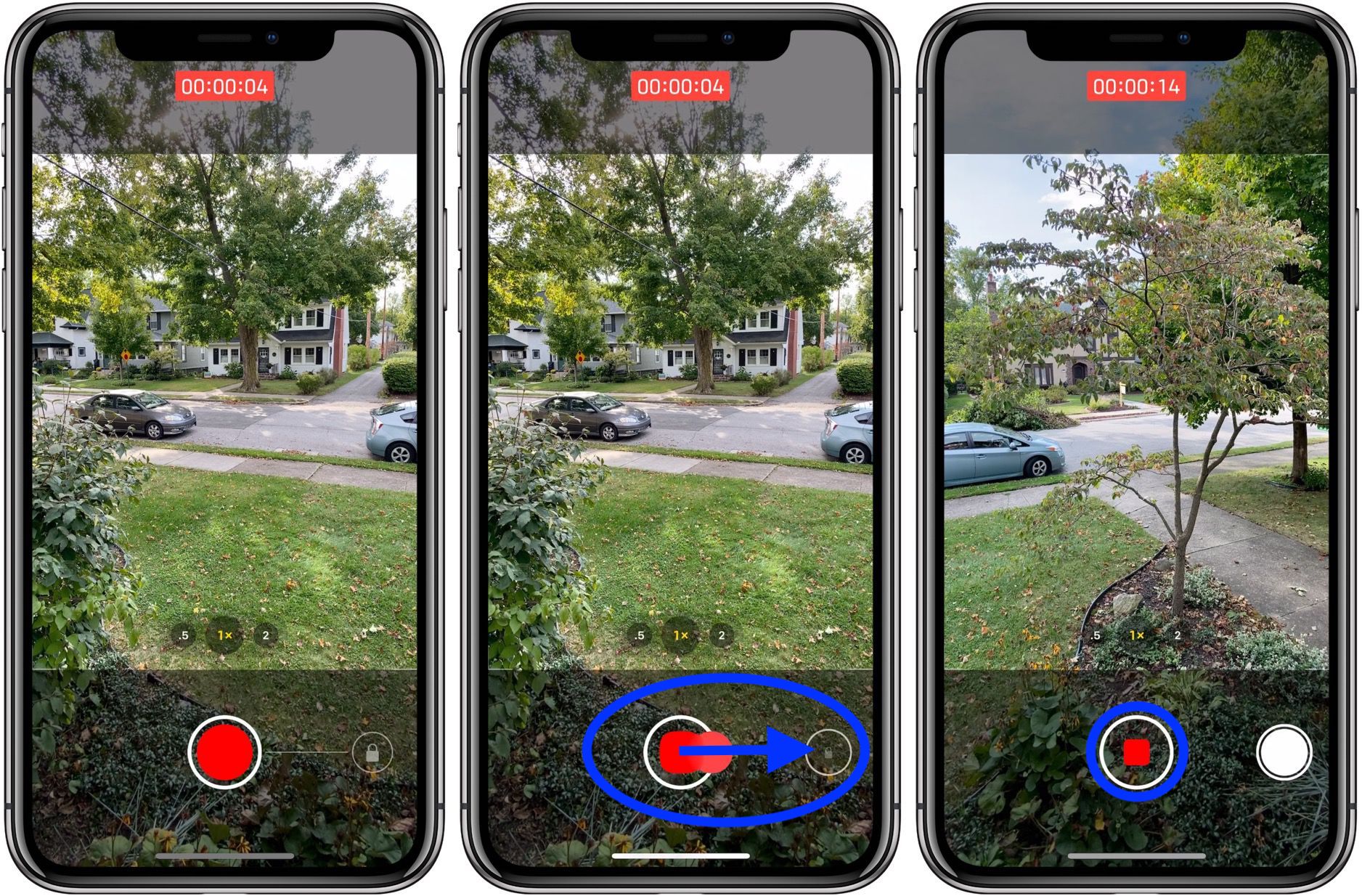
To keep recording video without having to hold the button, slide the shutter button to the right, then release it. When video recording is locked, a shutter button appears to the right; tap it to take a still photo throughout video recording. When you’re ready to stop tape-recording, tap the record button. Move the shutter button to the left and hold it to take a burst of images, then release it to stop.

FTC: We utilize income making automobile affiliate links. More.

MacStadium macOS VM

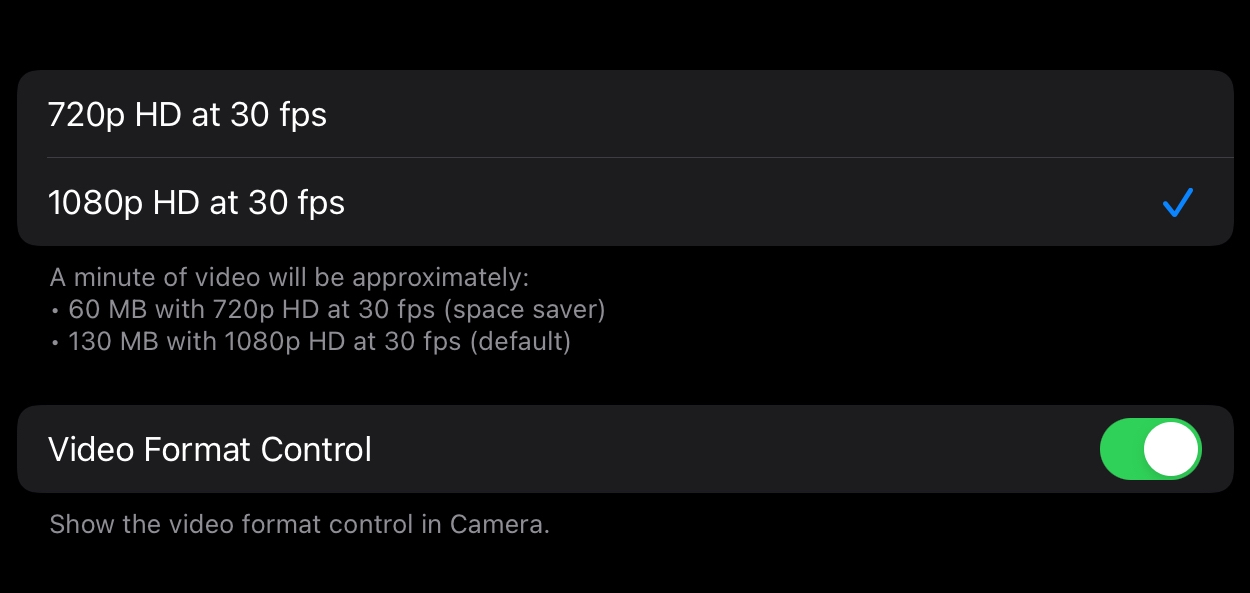
Change video resolution in the Camera app With iOS 13.2, Apple has permitted iPhone 11, 11 Pro, and 11 Pro Max users to alter video resolution right in the app Camera. This choice was also restricted to more recent iPhone designs, but now Apple is bringing it to more devices with iOS 14. There’s a new “Video Format Control”toggle in the Camera settings that lets users alter the video resolution in the Camera app when made it possible for. It works not only with iPhone 11, but likewise with all iPhone and iPad models that runs iOS 14.

Spot any other modifications on iOS 14? Let us understand in the comments or on Twitter, @ 9to5Mac.

use QuickTake video shortcut iPhone 11 and iPhone 11 Pro camera walkthrough 2

We’ve been learning have actually about finding out 14 now that the first developer beta is designer. To keep taping video without having to hold the button, slide the shutter button to the right, then release it. When video recording is locked, a shutter button appears to the right; tap it to take a still photo throughout video recording. With iOS 13.2, Apple has actually allowed iPhone 11, 11 Pro, and 11 Pro Max users to change video resolution right in the app Camera. There’s a new “Video Format Control”toggle in the Camera settings that lets users change the video resolution in the Camera app when made it possible for.


Check out 9to5Mac on YouTube for more Apple news:

iPhone 11 (and the 11 Pro lineup) includes QuickTake, which permits users to quickly tape-record videos in the Camera app without needing to switch to video mode. Similar to in apps like Instagram and Snapchat, you can just hold your finger on the shutter button to begin a video recording.

QuickTake is only readily available for iPhone 11 on iOS 13 for some unidentified reason, but Apple is broadening this feature with iOS 14. iPhone XR, iPhone XS, and iPhone XS Max owners can now utilize QuickTake with iOS 14. You can slide and hold to the right to lock recording or hold and move to the delegated take pictures in burst mode.


from WordPress http://troot.net/ios-14-tidbits-precise-location-toggle-quicktake-and-video-resolution-in-the-camera-app-for-more-devices-9to5mac/

Segway, personal vehicle known for high-profile crashes, ending production – The Guardian

Sorry, Readability was unable to parse this page for content.


from WordPress https://ift.tt/37Yf7m0

Oculus will start selling Quest software regardless of quality – Ars Technica

Sorry, Readability was unable to parse this page for content.


from WordPress https://ift.tt/3eFkdWQ